 Phjl
Phjl guides
 Slot Game
 Contact
 Real Money Online Casinos
 Promotion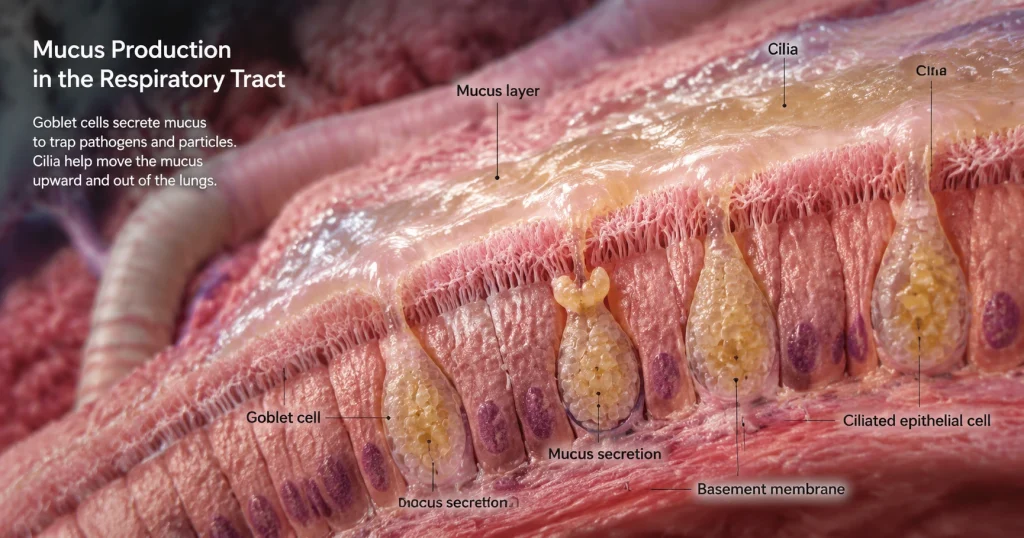
How phlegm is made: Unveiling the Process and Its Significance
Biological Process Behind Phlegm Production
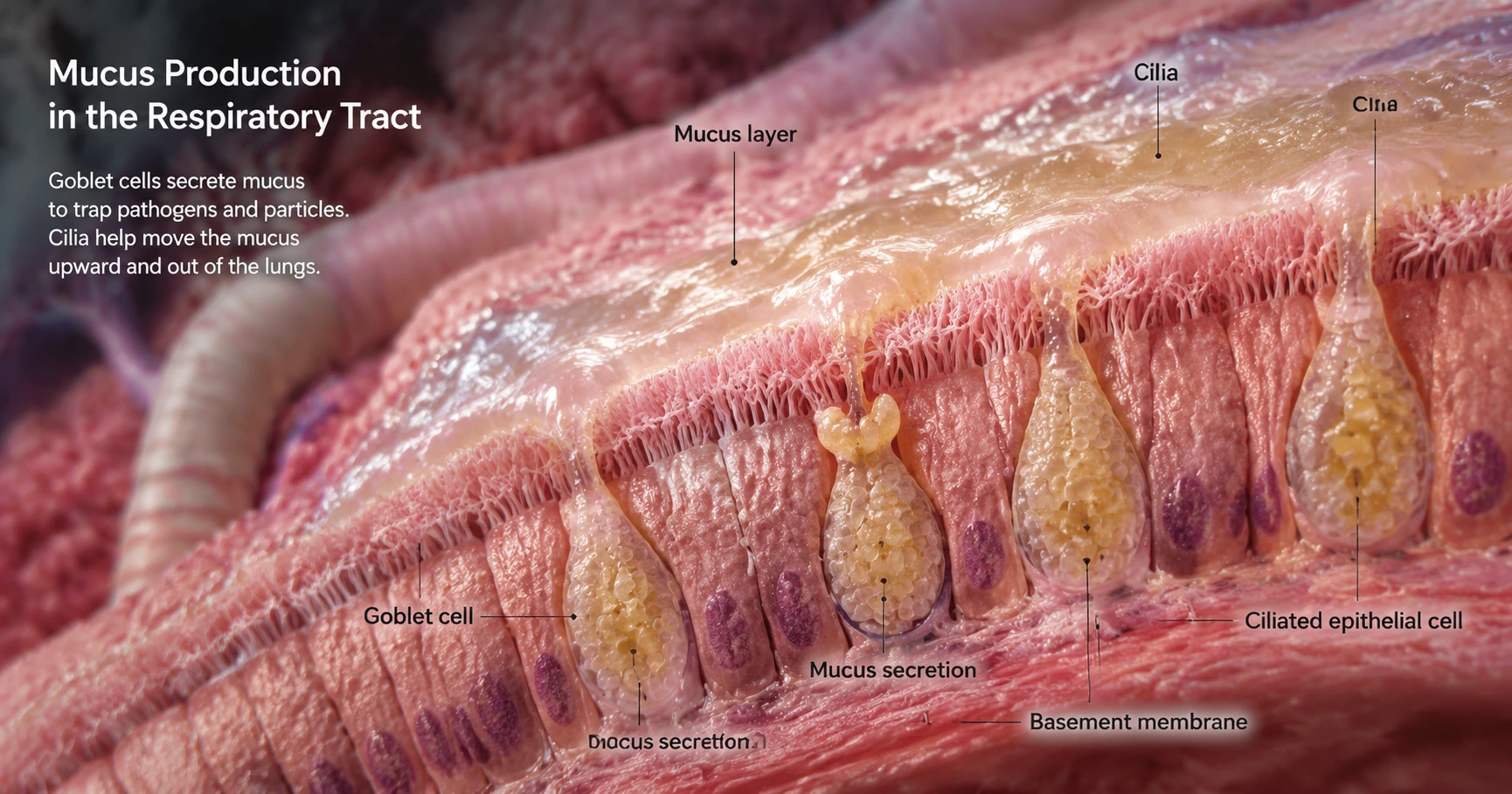
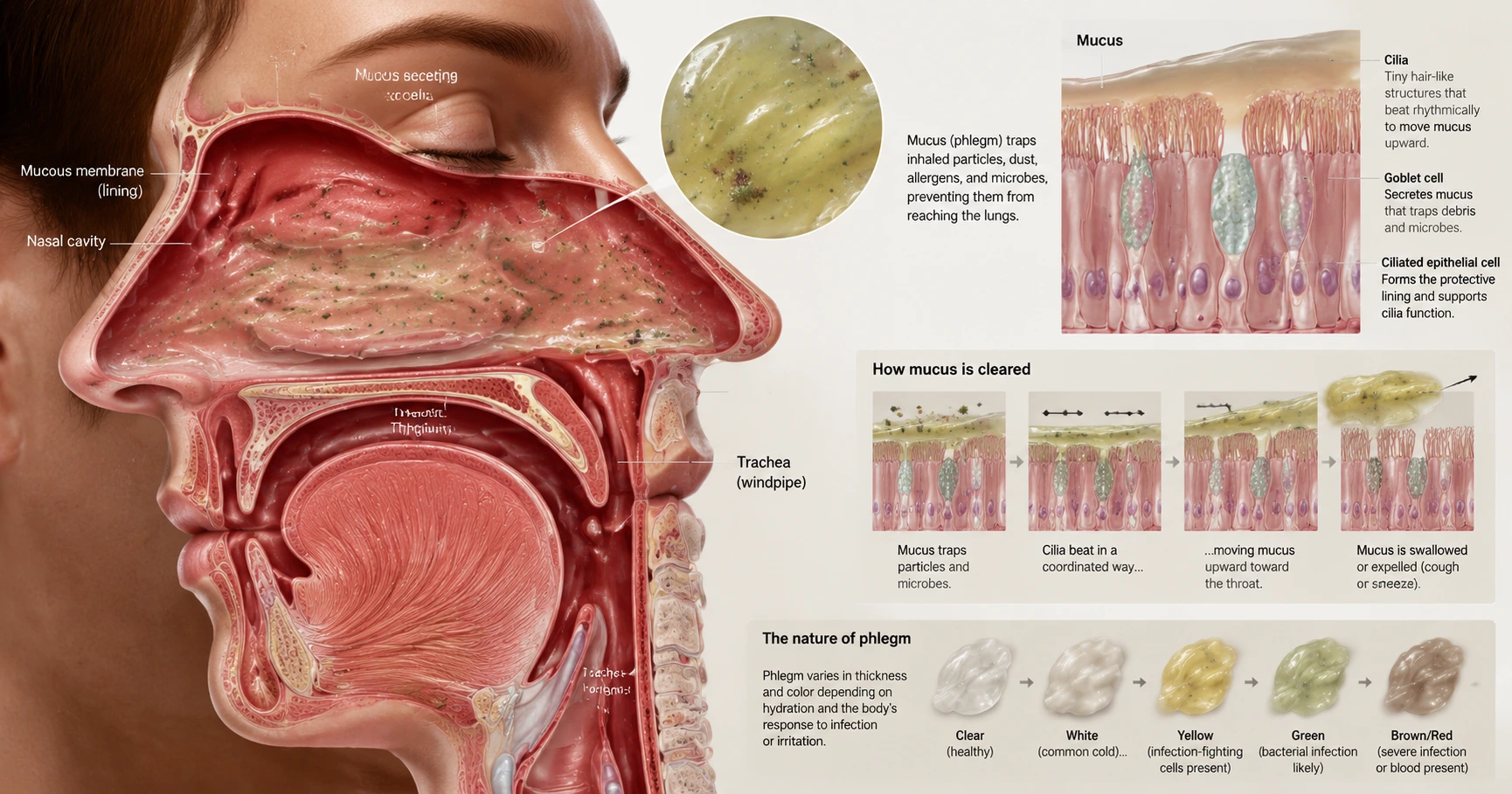
Phlegm, or mucus, is a viscous substance produced by the mucous membranes lining the respiratory tract. Its primary function is to trap dust, microbes, and other particles, preventing them from reaching the lungs. The process begins in the goblet cells and submucosal glands, which secrete mucins—glycoproteins that give mucus its sticky texture. When the respiratory system detects irritants or infections, these glands increase mucus production, leading to the formation of phlegm. The how phlegm is made involves complex biochemical reactions that ensure the respiratory tract remains protected and clean.
Phlegm production is a dynamic and responsive process. It adjusts according to environmental factors such as pollution, allergens, and infectious agents. This adaptability highlights the importance of understanding how phlegm is made, as it plays a crucial role in respiratory defense mechanisms. The mucins secreted not only trap harmful particles but also contain enzymes and antibodies that neutralize pathogens, further emphasizing the biological significance of phlegm.
Discover how phlegm is made and what role phjl plays in this complex process.
Learn how phlegm is made and the role of your body in this process at Sw888.
Role of Phlegm in Respiratory Health
In Filipino culture, phlegm is often associated with health and illness. It acts as a natural defense mechanism, trapping harmful pathogens and particles. During illnesses like colds or flu, excess phlegm production is common, signaling the immune system’s response. For Filipinos, especially in rural areas, traditional remedies like u-phil are sometimes used to help manage excessive phlegm and alleviate discomfort. Understanding how phlegm is made helps in appreciating its vital role in maintaining respiratory health.
Phlegm also serves as an indicator of underlying health conditions. Changes in its color, consistency, or amount can signal infections or chronic respiratory diseases. For example, thick, yellow or green phlegm often points to bacterial infections, while clear phlegm usually indicates viral infections or allergies. Recognizing these signs is essential, and knowing how phlegm is made can help individuals better understand their respiratory health and when to seek medical advice.
Detailed Process of How Phlegm Is Made in the Body
| Step | Description |
|---|---|
| 1. Detection of Irritants | Sensory receptors in the respiratory tract detect dust, microbes, or pollutants. |
| 2. Activation of Glands | Goblet cells and submucosal glands activate to produce mucins and other mucus components. |
| 3. Secretion of Mucus | Mucins combine with water and other substances to form viscous phlegm. |
| 4. Accumulation and Clearance | Cilia move the phlegm upward, facilitating clearance through coughing or swallowing. |
| 5. Immune Response | Additional immune cells may be recruited to fight infection, increasing phlegm production. |
Cultural Significance and Myths about Phlegm
In the Philippines, phlegm is often linked with traditional beliefs and remedies. Some communities believe that excessive phlegm indicates an imbalance in the body’s internal elements, leading to the use of natural treatments to restore harmony. Traditional practices involving u-phil, a herbal remedy, are popular for managing phlegm and respiratory discomfort. These cultural perspectives highlight the importance of understanding how phlegm is made from both a scientific and cultural standpoint.
Myths surrounding phlegm sometimes lead to misconceptions about its role in health. For example, some believe that phlegm should always be expelled immediately, while in reality, moderate phlegm production is essential for protecting the respiratory tract. By learning more about how phlegm is made, individuals can better appreciate its protective functions and avoid unnecessary worry or harmful practices.
Modern Approaches to Managing Phlegm
Modern medicine offers various methods to manage phlegm production and alleviate symptoms when excessive mucus causes discomfort. Treatments include hydration, which helps thin the phlegm, making it easier to clear from the respiratory tract. Expectorants and mucolytic agents are commonly prescribed to reduce the viscosity of phlegm, improving clearance. Understanding how phlegm is made allows healthcare providers to tailor treatments effectively.
In addition to pharmaceutical approaches, lifestyle changes such as avoiding smoking, reducing exposure to pollutants, and using humidifiers can help regulate phlegm production. Combining traditional remedies like u-phil with modern treatments is a common practice in some cultures, blending the benefits of both worlds. Overall, knowledge about how phlegm is made and managed is essential for maintaining optimal respiratory health.